Choosing between a poll and a survey can be confusing, especially when both are used to collect feedback. While they may seem similar, each serves a different purpose. Polls help you capture quick opinions with a single question, making them great for instant decisions or lightweight engagement. Surveys, on the other hand, offer deeper insights through multiple questions and varied formats. In this guide, we’ll break down how polls and surveys differ, when to use each, and how they can help you collect more meaningful data.
What Is a Poll?
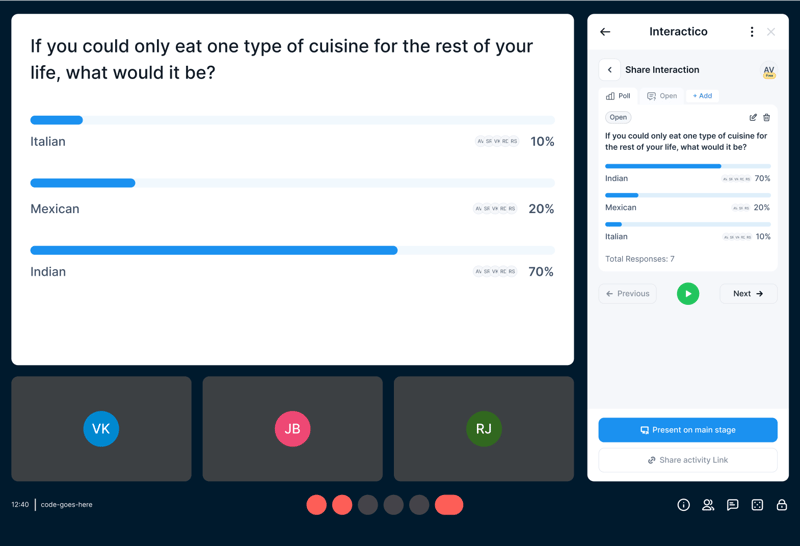
A poll is a quick way to get opinions by asking one simple question. It’s short, easy to answer, and gives a fast snapshot of public opinion. Polls usually have a few response options like “Yes/No” or multiple-choice answers.
Example of poll: A social media poll asking, “Do you prefer tea or coffee?” with two answer choices.
What Is a Survey?
A survey is a more detailed method of collecting information. It includes multiple questions, which can be both short (multiple-choice) and long (open-ended). Surveys help gather deeper insights into people’s opinions, behaviors, and experiences.
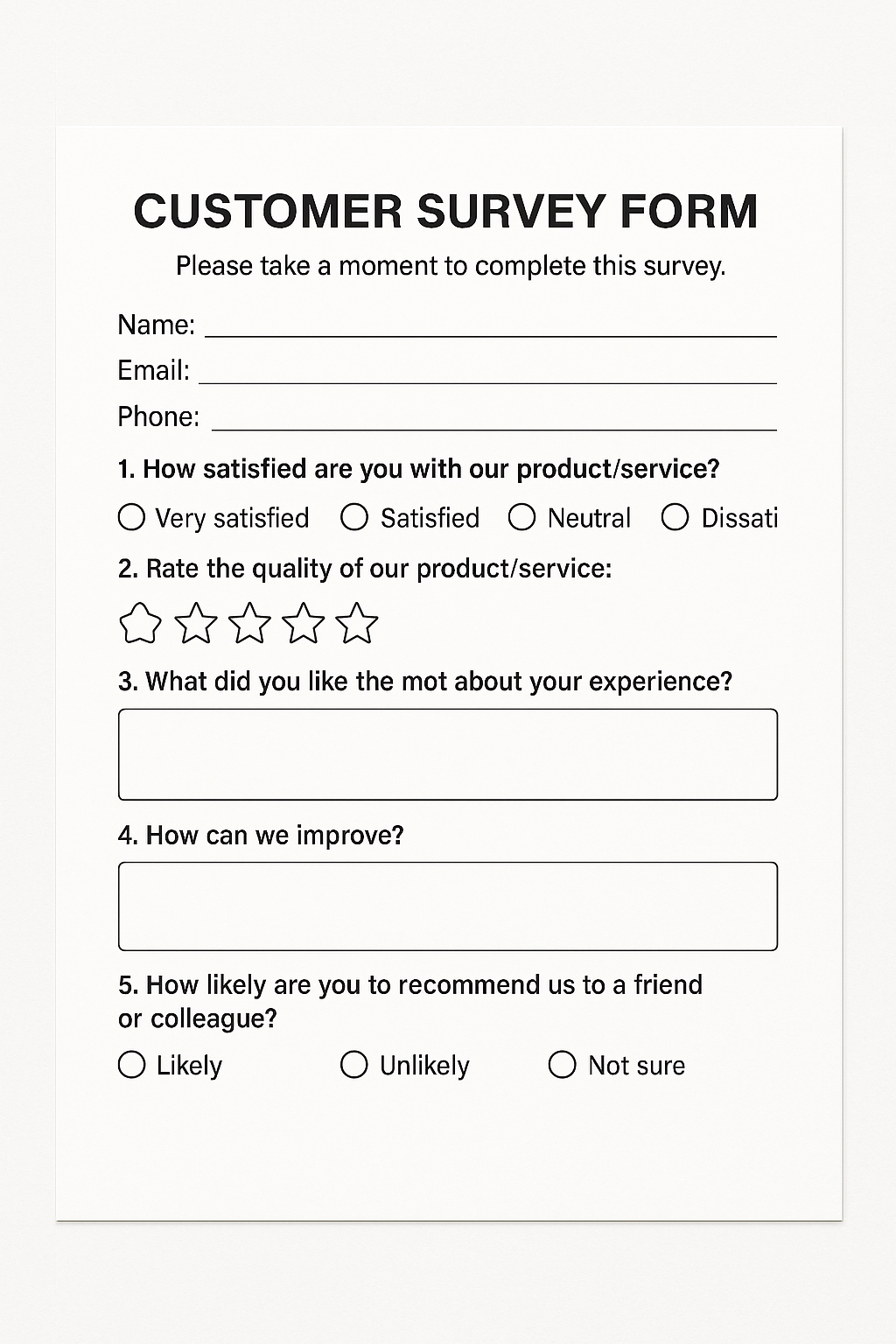
Example of survey: A customer feedback survey asking about different aspects of a product, including likes, dislikes, and suggestions.
Poll Vs Survey – Quick Comparison Table
| Feature | Poll | Survey |
|---|---|---|
| Purpose | Quick opinion check | Detailed information gathering |
| Questions | One question | Multiple questions |
| Complexity | Simple and short | More detailed and in-depth |
| Time to Answer | A few seconds | Several minutes or more |
| Response Type | Limited choices (Yes/No, multiple-choice) | Open-ended and multiple-choice |
| Cost | Low-cost | Can be more expensive |
| Depth Of Data | Basic insights | Detailed and comprehensive insights |
| Use Case | Quick decision-making | Research and long-term planning |
Poll vs Survey: Choosing the Right One
When deciding between a poll vs survey, consider your objectives. Polls and surveys serve different purposes, and selecting the right method depends on the depth of information you need.
When to Use a Poll
- For quick feedback: If you need a fast opinion on a topic.
- For simple choices: To check preferences between two or three options.
- For audience engagement: To encourage interaction on social media or a website.
- For raising awareness: A fun way to spark interest in a topic.
When to Use a Survey
- For detailed insights: When you need in-depth feedback.
- For complex topics: If you want to understand behaviors or opinions deeply.
- For research and planning: Surveys help in making informed business or strategic decisions.
- For customer feedback: To improve products or services based on user input.
Best Practices for Surveys & Polls
Here are the best practices for using surveys and polls to collect accurate, high-quality insights. I’ve organized them into clear, actionable points so you can apply them instantly.
1. Define a Clear Goal Before You Start
- Identify exactly what you want to learn.
- Avoid vague questions—each question should serve a purpose.
- Example goals: measure satisfaction, test interest, validate a hypothesis.
2. Choose the Right Tool: Poll vs Survey
Use a Poll When:
- You want a quick, single question response.
- You need fast sentiment (e.g., “Which feature should we launch next?”).
Use a Survey When:
- You need detailed insights or deeper context.
- You want to collect qualitative and quantitative data.
3. Keep It Short & Respect the User’s Time
- Surveys under 10 questions have the highest completion rates.
- Polls should be a single question (rarely more than 2–3).
4. Ask One Thing Per Question
Avoid double-barreled questions like:
❌ “How satisfied are you with our product and support?”
Split into two separate questions instead.
5. Use Simple, Neutral, Unbiased Language
Avoid leading the respondent.
❌ “How amazing was your experience with our new feature?”
✔️ “How would you rate your experience with our new feature?”
6. Start with Easy Questions
- Begin with multiple-choice or rating questions.
- Save open-ended questions for later to avoid fatigue.
7. Offer Balanced Answer Choices
Examples:
✔️ Very satisfied / Satisfied / Neutral / Unsatisfied / Very unsatisfied
✔️ Yes / No / Maybe
Avoid biased scales like:
❌ Excellent / Good / Average / Bad
8. Allow “Other” or “No Opinion” When Needed
This prevents forcing users into inaccurate answers.
9. Use Logic & Skip Branching (for surveys)
Show follow-up questions only if relevant.
Example: If a user selects “No” for a feature, skip questions about usage.
10. Test Your Survey Before Launching
Check for:
- Broken logic
- Confusing phrasing
- Too many required fields
- Mobile usability
11. Incentivize—but Carefully
Rewards boost response rates.
Examples:
- Discount
- Early access
- Free resource
But avoid incentives that might cause rushed or low-quality responses.
12. Keep It Anonymous When Gathering Sensitive Data
People provide more honest responses when they know they won’t be identified.
13. Time Your Survey or Poll Smartly
Best times:
- Right after an experience (e.g., purchase, support call)
- When the topic is still fresh
Worst times:
- Days later, when memory fades
- Peak stress or busy hours (if targeting employees)
14. Close With an Optional Open-Ended Question
This helps catch insights you didn’t think to ask about.
Example:
“Is there anything else you’d like to share?”
15. Analyze & Act on the Insights
- Look for patterns and themes.
- Don’t just collect data—translate it into actions!
- Share results back with users when appropriate.
Try Interactico today and transform the way you gather insights!

Polls and surveys both help gather information, but they serve different purposes. Polls are great for quick, simple opinions, while surveys provide deeper insights. When comparing poll vs surveys, the right choice depends on whether you need fast feedback or a thorough analysis. Understanding the strengths of polls and surveys will help you make better decisions for data collection.

Anurag Bhagsain is the Founder of Interactico. With a background in SaaS, product development, and automation, he is focused on solving real world problems, especially to make meetings truly interactive. With a love for blogging, he shares practical tips on audience interaction, polls, Q&A, and meeting best practices, turning them into simple, actionable ideas. Off hours, he enjoys coding and gaming.