Not every question has a simple yes or no answer. Sometimes, the best way to understand someone’s thoughts, feelings, or reasoning is to give them the space to explain in their own words. That’s where open-ended questions come in. These types of questions invite more than one-word answers. In this blog, we’ll break down what open ended questions are, why they matter, and how you can use them to get better answers and deeper insights.
What is an Open-Ended Question?
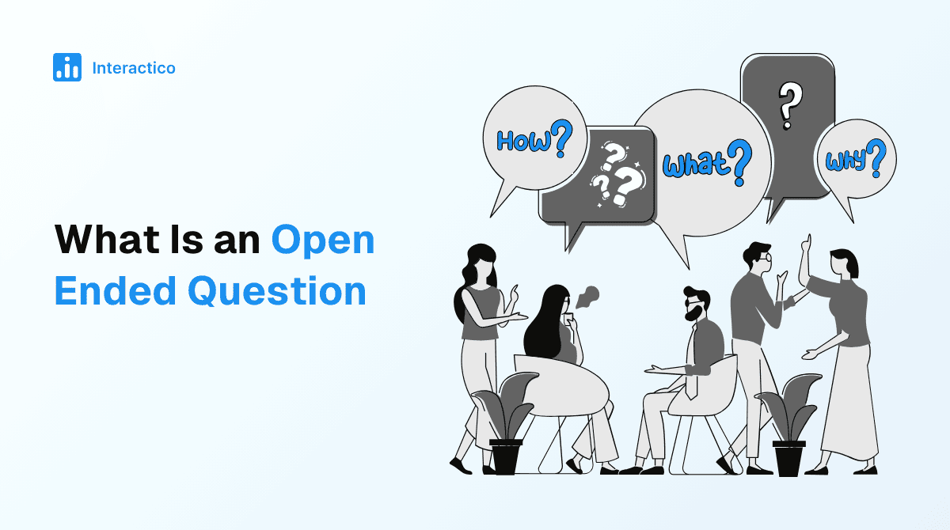
An open-ended question is a type of question that cannot be answered with a simple “yes” or “no.” Instead, it encourages the person to explain, describe, or express their thoughts in more detail. You might use open-ended questions to understand someone’s opinion, explore a topic more deeply, or start a meaningful conversation. For example, asking “What do you think about this topic?” gives someone room to share their ideas, unlike “Do you like this?” which only gives two choices. These kinds of questions are useful in classrooms, interviews, customer feedback, and daily conversations because they lead to richer and more thoughtful responses.
Open-Ended Questions vs Close-Ended Questions
Open-ended questions invite detailed responses and encourage explanation, opinions, and deeper thinking. They help start conversations and uncover insights. Close-ended questions, on the other hand, limit responses to options like yes/no or specific choices, making them quick to answer and easy to analyse.
Why Use Open-Ended Questions?
Here’s why using open-ended questions is important:
-
Encourages Honest and Open Responses
Open-ended questions give people room to share their thoughts without being boxed into a simple yes or no. When you leave the question broad, you invite real opinions, not rehearsed answers. This is especially useful when you’re trying to understand what someone truly thinks or feels about a product, service, or experience. People tend to open up more when they know there’s no “right” answer expected.
-
Discover Things You Didn’t Expect
Open-ended questions often lead to surprising answers. Someone might mention a problem you hadn’t noticed or an idea you hadn’t thought of. These types of responses can open your eyes to new possibilities, ideas, or even challenges you didn’t see coming.
-
Keep Personal Bias Out of the Way
Sometimes, the way a question is asked can influence the answer. Open-ended questions give people the space to speak for themselves, in their own words, without being guided or boxed into your assumptions. This helps you get more honest and accurate feedback.
-
Encourage New Ideas and Fresh Thinking
When you give people room to think, they often come up with creative solutions or different ways of looking at a problem. Open-ended questions allow them to go beyond surface-level responses and really explore their thoughts. This is especially helpful when you’re brainstorming or solving complex issues.
-
Find What Needs Fixing
Open-ended feedback can reveal issues in your service, communication, or processes that may not show up in standard surveys. People can point out specific pain points, misunderstandings, or gaps in training. This gives you a chance to fix small problems before they become major ones.
Types of Open-Ended Questions
Here’s a closer look at different types of open-ended questions:
-
Explanatory Questions
Explanatory questions help you figure out the “why” or “how” behind something. These are useful when you want to dig deeper into what caused something to happen or understand the process behind it. Instead of surface-level answers, these questions help uncover motivations, reasons, or hidden links between actions and outcomes.
Use it when you want to understand behaviour, reasoning, or cause-effect relationships.
Common question starters:
- Why did…?
- How does…?
- What explains…?
Example:
Why did student engagement drop after introducing the new curriculum?
-
Suggestion Questions
If you’re looking for ways to improve something, suggestion questions are the way to go. These invite people to share ideas, brainstorm new approaches, or offer constructive feedback. They are focused on moving forward, not on blaming the past.
Use it when you want fresh ideas or input to make improvements.
Common question starters:
- What would you suggest…?
- How can we improve…?
- What could we try next…?
Example:
What changes would you suggest to make this app easier to use?
-
Narrative Questions
These questions encourage someone to tell their story or describe an experience step by step. You get a full picture of what they saw, felt, and thought. Stories often reveal more context than just a list of facts.
Use it when you want to learn about experiences or understand how someone went through a situation.
Common question starters:
- Can you tell me about…?
- What happened when…?
- How did you experience…?
Example:
Can you walk me through your first week using our platform?
-
Exploratory Questions
These are used when you’re still trying to figure things out. You may not know the exact issue yet, but you want to surface patterns, problems, or possibilities. These questions help open up the conversation.
Use it when you’re in the early stages of research, planning, or just trying to understand a new situation.
Common question starters:
- What is going on with…?
- What factors seem to influence…?
- What possibilities do you see…?
Example:
What challenges are teachers facing when they shift to hybrid learning?
-
Evaluative Questions
These questions ask people to assess the quality or value of something. They are not just about whether someone liked or disliked something, but why they feel that way. This helps with making better decisions based on reasoned feedback.
Use it when you want thoughtful feedback or to measure satisfaction and effectiveness.
Common question starters:
- How effective…?
- To what extent…?
- How satisfied are you with…?
Example:
How effective was the new training program in improving your performance?
-
Comparative Questions
Comparative questions help people weigh two or more things against each other. Whether it’s two products, two methods, or two time periods, these questions help surface what is better, worse, or simply different.
Use it when you’re helping someone make a choice or understand a change over time.
Common question starters:
- How does X compare to Y…?
- In what ways is this better or worse than…?
- What changed between… and…?
Example:
How does learning online compare to learning in a physical classroom for you?
-
Predictive Questions
These questions get people to think about what might happen next. They’re great for planning and anticipating outcomes. You can also use them to test assumptions or prepare for change.
Use it when you want to explore future possibilities or understand someone’s expectations.
Common question starters:
- What do you think will happen if…?
- How do you expect… to change?
- What is likely to occur when…?
Example:
How do you expect student performance to change if homework becomes optional?
-
Reflective Questions
Reflective questions ask someone to pause and think about their feelings, choices, or learning. These are especially useful after a project, activity, or decision. They help people grow by recognising what worked and what didn’t.
Use it when you want to promote self-awareness or help someone make sense of their experiences.
Common question starters:
- What did you learn from…?
- How do you feel about…?
- If you could do this again, what would you change?
Example:
What did you learn about your problem-solving style from this project?
How to Create an Open-Ended Question
Here’s how you can craft better open-ended questions:
-
Use Neutral Starters
Begin your questions with words like “How”, “What”, or “Why”. These words invite explanation, not just a yes or no.
- How encourages someone to describe a process or explain their thinking.
- Example: How did you approach this task?
- What prompts people to describe or elaborate.
- Example: What were the key challenges you noticed?
- Why helps dig into reasoning or beliefs.
- Example: Why do you believe this strategy is effective?
-
Phrase “Why” Questions Mindfully
While “why” is powerful, it can sometimes sound like a challenge or criticism. To avoid putting someone on the defensive, keep your tone gentle and your language clear.
Instead of saying, Why didn’t you do this?, try
What made you choose this option over the other?
-
Avoid Leading Questions
A leading question pushes someone toward a specific answer. It usually includes your opinion in the question itself.
For example:
Don’t you think this approach is better? is leading.
Try: What do you think about this approach? instead.
-
Clarify Open-Ended Questions with Follow-Ups
Sometimes people need a little nudge to go deeper. You can follow up with simple prompts like:
- Can you tell me more?
- What made you feel that way?
- How did that affect your decision?
These gentle follow-ups keep the conversation going without making it feel forced.
-
Keep It Simple and Focused
Don’t overcomplicate your question. One clear, specific question is better than a long one with too many parts.
Instead of:
What challenges did you face, how did you solve them, and what did you learn?
Try:
What was the biggest challenge you faced during this process?
You can always follow up with the other parts later.
-
Encourage Elaboration
Let the person know you’re open to hearing more. You can say things like:
- Take your time.
- I’m curious to understand your thinking.
- It’s okay if it’s not a perfect answer.
This makes people feel safe to open up.
-
Customize and Adjust Your Questions
Who you’re talking to matters. The same question won’t work for everyone. Adjust your tone and wording based on the situation and the person.
Ask yourself:
Would this question make sense to a student, a colleague, or someone outside my field?
-
Use Silence Effectively
Once you ask an open-ended question, pause. Give the other person time to think. Don’t rush to fill the silence. Some of the most thoughtful answers come when people have space to reflect.
Examples of Open-Ended Questions
Here are some examples of open-ended questions you can ask across different situations:
In Business Meetings and Presentations
Use these questions to spark deeper thinking and get your team talking about what really matters:
- What do you think we should change so our team goals match the company’s direction better?
- What kind of tools or support would help us get this project done well?
- What can we do to make sure everyone in the team communicates more clearly and works better together?
In Interviews
These questions help you understand how a person thinks, solves problems, and fits into a team:
- Can you share a time when you had to handle a lot of pressure? What helped you manage it?
- If you joined us, how would you use your current skills to help the company grow?
- What’s one achievement at work that you’re really proud of, and how did it happen?
Customer-Facing
These questions help you understand your customers’ needs, experiences, and future expectations:
- Can you describe a situation where our platform made your day-to-day tasks easier?
- Which features of our product do you use the most, and what makes them helpful to you?
- Are there any other products or services you wish we offered?
Technical
These types of questions let you go beyond surface-level answers and understand real technical choices:
- Can you walk me through how the JavaScript on this page is set up in the backend?
- What steps are in place to keep users’ data safe on this system?
- How is this backend designed to handle more traffic or faster loading times?
Personal / Psychographic
Use these questions to understand values, habits, and emotions:
- When things get stressful, how do you usually handle it?
- Do you like solving problems on your own or talking things through with others first?
- What helps you stay motivated to take care of your mind and emotions?
In Classroom Discussions
These questions are great for getting students to think and share openly:
- If you were the teacher for a day, what would you do differently?
- If you had to choose just one subject to study, which one would it be and why?
- What’s one thing we could do to make the school day better?
- Do you think school should be five days a week? Why or why not?
Create open-ended questions like these in just a few clicks and make every conversation more engaging.

Closing Thoughts
Open-ended questions help you move beyond surface-level answers and understand what people really think and feel. Whether you are teaching, interviewing, leading a team, or having everyday conversations, asking the right questions can change the quality of responses you get. With a little practice and the right approach, open-ended questions can help you listen better, learn more, and have more meaningful conversations.
Frequently Asked Questions (FAQs)
Narrow the focus by picking one part of the topic and giving context. Think about how much your group already knows, and adjust the question to fit their level.
Ask for examples, repeat what they said in your own words, or simply say, “Tell me more about that.”
Replace yes/no questions with ones that start with “why,” “how,” or “what.” Build on student replies to keep the conversation going.
Use low-pressure warm-ups, show appreciation for all answers, and gently invite quiet students by asking for their views.
Notice how much students engage, how deeply they respond, and how varied the answers are. Ask them afterward if the questions made them think.
Start with “what” or “how.” Avoid anything that can be answered with one word. Make it personal or reflective to get longer responses.
They give space to think and respond in their own way. That freedom makes people open up and share details you might not get otherwise.
Ask “Why do you think that?” or “Can you give me an example?” These help uncover reasoning and bring out more depth.
Focus on feelings or reasons. Instead of “Did you like it?” ask “What did you enjoy most, and why?” That invites a thoughtful reply.

Anurag Bhagsain is the Founder of Interactico. With a background in SaaS, product development, and automation, he is focused on solving real world problems, especially to make meetings truly interactive. With a love for blogging, he shares practical tips on audience interaction, polls, Q&A, and meeting best practices, turning them into simple, actionable ideas. Off hours, he enjoys coding and gaming.